

Where Medicine Meets Everyday Life: Designing What Pediatric Patients Need Next
As pediatric medicine advances, children face new treatment and medical-access needs. Discover how Zip With Us® listens to patients, families, and hospital teams to design adaptive apparel that protects dignity, improves access, and removes barriers from the pediatric treatment experience.
Modern medicine is advancing at an extraordinary pace. New treatments, new methods of delivering medications, new medical technologies, and increasingly specialized approaches to pediatric care are giving children possibilities that once did not exist.
In pediatric cancer alone, the FDA reports that more than 60 drugs covering more than 85 pediatric cancer indications have been approved, with targeted therapies, antibody-based treatments, and CAR T-cell therapies now joining traditional chemotherapy as part of the pediatric oncology treatment landscape.
But every advancement in medicine can also introduce a new practical challenge for the child receiving that care.
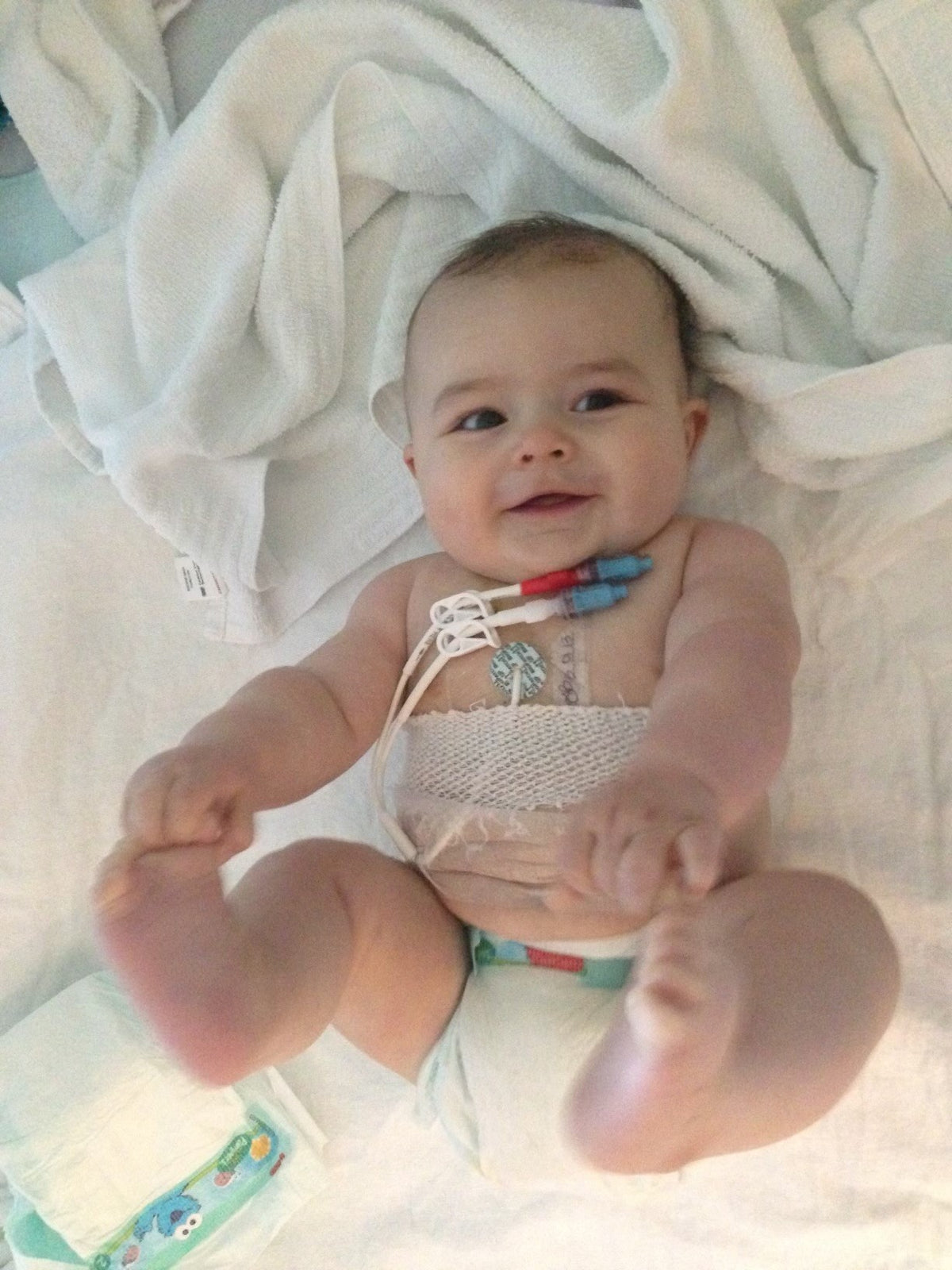
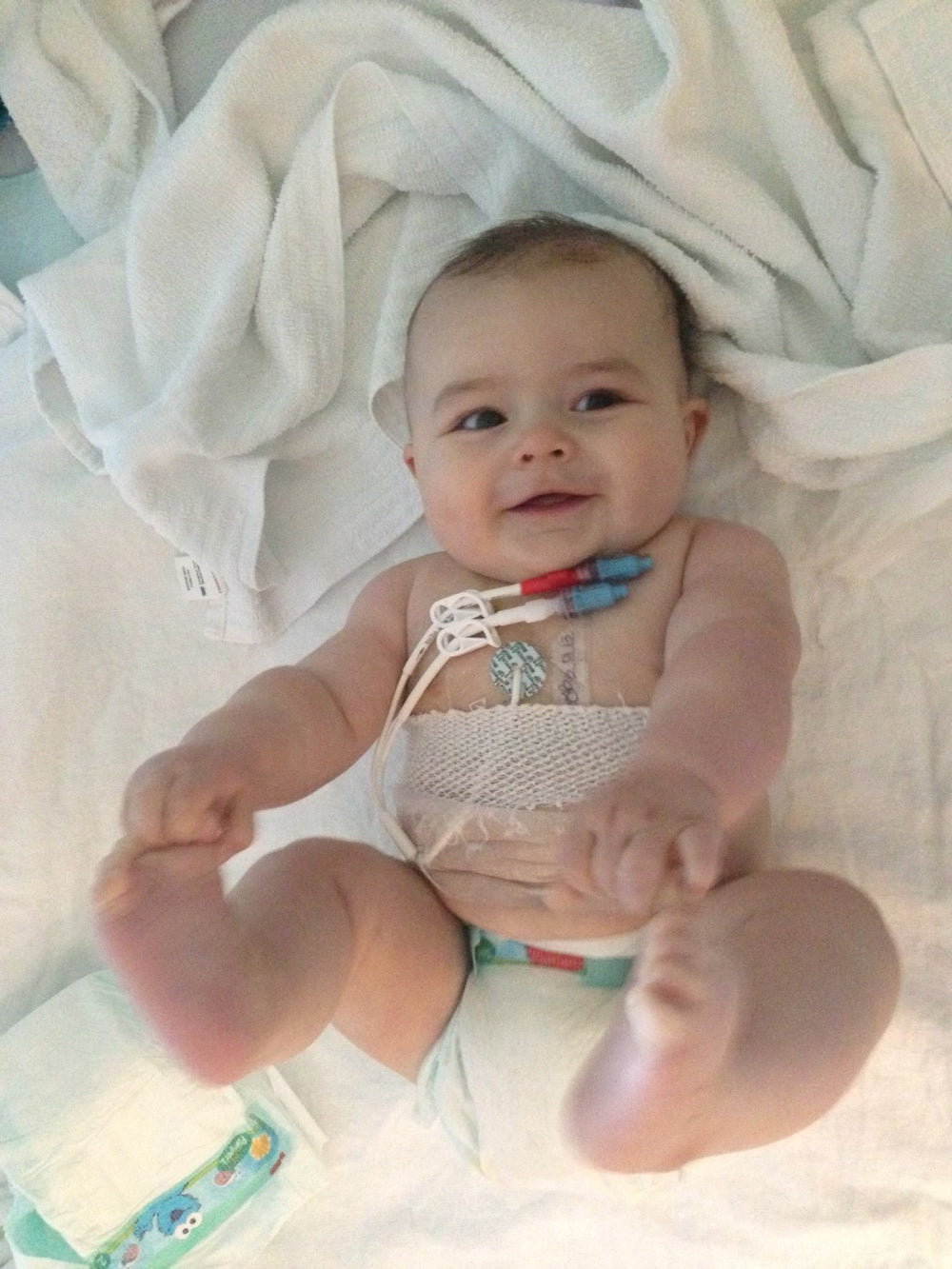
A central line still needs to be accessed. An infusion may last for hours. A baby connected to critical lines still needs to move, play, be held, and develop. A child receiving an injection in the upper thigh may need to lower their pants and remain exposed while medication is slowly administered.
At Zip With Us®, we believe the clothing children wear during treatment should evolve alongside the medicine treating them.
That is why we continue to listen to pediatric patients, families, nurses, physicians, Child Life specialists, and hospital teams about the barriers they encounter every day and then ask a simple question:
Can we design something better?
It Started With a Zipper
Zip With Us® began with ZipShirts™: everyday-looking shirts adapted with thoughtfully placed zippers that allow medical teams to access implanted ports, central lines, and other access points without requiring a child to remove their shirt.
The idea was simple, but the need was significant.
Children undergoing treatment can face repeated medical access for months or even years. Clothing should not have to become another source of disruption, exposure, or discomfort.
Today, Zip With Us® designs, creates, and donates custom medically adapted apparel to children with cancer and other serious medical conditions, completely free of charge. Our garments accommodate ports, central lines, PICC lines, tubes, IVs, and other medical access needs while helping children remain clothed, comfortable, and able to feel more like themselves during treatment.
And as the medicine changes, the needs we hear from children's hospitals continue to change with it.
Babies Need More Than Smaller Clothing
Some of our most complex requests come from the youngest patients.
Drew’s Cruisers™ and Zip Cruisers™ adaptive onesies were created to address the unique needs of infants with central lines, feeding tubes, and other medical equipment.
These garments aren't simply about keeping a baby dressed.
Thoughtful adaptations can help protect tubing and cords and keep them away from little hands while giving babies greater freedom to be held, move, play, and develop more normally.
Now, pediatric hospital teams are bringing us even more complicated challenges.
We have heard from teams caring for cardiothoracic babies with femoral and bicep central lines who have few practical clothing options that accommodate the locations of those lines.
It raises an important question:
What should a baby wear when conventional infant clothing simply wasn't designed for the medical care keeping that baby alive?
These are exactly the kinds of problems we believe are worth solving.
And the need for pediatric-specific innovation extends well beyond apparel. A 2025 national framework published in Pediatric Research reported that fewer than one-quarter of new medical devices are developed and approved specifically for children, highlighting a broader challenge: children have unique physical, developmental, and clinical needs that aren't always adequately addressed by products and systems developed for larger populations.
When IV Access Changes, Apparel Should Too
Infusion care presents another challenge.
Traditional sleeves can make accessing an IV or PICC line difficult, requiring patients to remove or significantly adjust their clothing during treatment.
Our InfuShirts™ are designed around that experience, using dual sleeve zippers and an under-zipper comfort flap to provide easier medical access while allowing patients to remain warm, comfortable, and clothed.
It is another example of the principle driving our work:
Medical access and human dignity should not have to compete with one another.
The treatment landscape itself continues to evolve. According to the American Association for Cancer Research's inaugural Pediatric Cancer Progress Report, more than 20 molecularly targeted therapies and more than 10 immunotherapies for pediatric cancers were FDA-approved between 2015 and 2025. Advances in precision medicine, immunotherapy, genomic profiling, and supportive care are continuing to reshape how pediatric cancers are diagnosed and treated.
As treatments evolve, so can the location, duration, and method of medical access.
Adaptive apparel needs to be flexible enough to evolve too.
Sometimes the Need Isn't a Shirt at All
Some of the most important ideas in our innovation pipeline have come directly from conversations with different floors and specialties within children's hospitals.
Teams in Neuro/Oncology, Neurosurgery, solid organ programs, cardiothoracic care, infusion clinics, and other specialty areas encounter clothing challenges that may look completely different from those seen in a traditional oncology clinic.
One emerging need involves children receiving medications through the upper thigh.
Certain injections can take several minutes to administer. For a child, that can mean lowering their pants and remaining partially undressed while the medication is given.
So we are asking another question:
Why should that be necessary?
Could adaptive pants provide discreet upper-thigh access while allowing a child to remain clothed?
Could a zipper, opening, or carefully designed panel eliminate one more uncomfortable part of treatment?
That is where innovation begins.
Not by deciding what product we want to make, but by listening to the problem a patient or clinical team needs solved.
Designing for Rest, Movement, and Everyday Childhood
Our innovation pipeline extends beyond treatment chairs and hospital rooms.
Drew’s Snoozers™, our adaptive sleep sack currently in development, grew from recognizing that medically complex infants still need practical clothing solutions during the ordinary rhythms of infancy.
Because children receiving extraordinary medical care still have ordinary human needs.
They sleep.
They crawl.
They play.
They get cold.
They want privacy.
They want to wear clothes they like.
Babies need room to move and develop.
And children want opportunities to simply be children, even when medical equipment happens to be part of their lives.
Innovating Alongside Modern Medicine
Zip With Us® does not develop medicine.
We are working to transform how children experience it.
Medical research is creating extraordinary progress. The AACR reports that the combined five-year survival rate for pediatric cancers has risen from 63% in the mid-1970s to 87% in 2015–2021, reflecting advances across precision medicine, treatment, supportive care, and collaborative research.
As physicians, researchers, hospitals, and medical innovators create new ways to diagnose, treat, monitor, and heal children, we believe there is an important complementary question to keep asking:
What does this advancement mean for the child actually experiencing it?
If a new device changes where a line exits the body, clothing may need to change.
If a therapy requires prolonged access to an arm, a sleeve may need to change.
If a treatment requires access to the thigh, pants may need to change.
If a medically complex baby cannot practically wear conventional clothing, infant apparel may need to change.
The medical advancement may happen in a laboratory, research center, or hospital.
Our work begins where that advancement meets the everyday life of a child.
From One Child's Need to a Solution for Thousands
Some of our most important ideas begin with one child, one parent, one nurse, one physician, or one hospital floor telling us:
“We have a problem, and nothing currently exists to solve it.”
Increasingly, those conversations are coming from specialties across children's hospitals.
This thinking is also helping shape ZipLab™, our developing collaborative innovation initiative designed to bring Zip With Us® together with pediatric hospitals, clinicians, patients, and families to identify unmet adaptive needs and work toward practical solutions.
The vision is straightforward: listen to real problems at the bedside, design around the children experiencing them, rapidly prototype and refine solutions with clinical input, and explore opportunities to scale successful ideas across our national pediatric hospital network.
A request from one cardiothoracic unit for clothing that accommodates a baby's femoral or bicep central lines may reveal a need shared by hospitals across the country.
A request for pants that provide discreet access during a lengthy thigh injection may ultimately help children receiving similar treatments elsewhere remain clothed.
One child's challenge can reveal an opportunity to improve the treatment experience for thousands.
There will be much more to share about ZipLab™ as this work develops.
Tell Us What Kids Need Next
Some of our best ideas do not originate at Zip With Us®.
They originate at the bedside.
They come from a nurse who has watched families struggle with the same problem repeatedly.
A Child Life specialist who sees how uncomfortable or exposed a procedure can make a child feel.
A physician whose evolving treatment protocol creates a new access need.
A parent who thinks, There has to be a better way.
Or a child who simply wants to keep their clothes on.
As our relationships with pediatric hospitals continue to grow, so does our opportunity to listen, collaborate, design, prototype, and develop new adaptive solutions around real clinical needs.
If you work with pediatric patients and repeatedly encounter a clothing or medical-access challenge for which the right garment simply does not exist, we want to hear about it.
Because transforming the treatment experience doesn't always require changing the treatment itself.
Sometimes it begins by removing one unnecessary barrier from a child's healing journey.
At Zip With Us®, that's what we're here to do: one child, one challenge, and one thoughtfully adapted solution at a time.