

The Next Frontier in Pediatric Care: How New Drug Delivery Innovations Are Driving the Need for Adaptive Medical Apparel
New therapies, infusions, and medical devices are changing how pediatric care is delivered. As treatment evolves, so does the need for adaptive apparel that keeps children clothed, comfortable, and confident—wherever care happens.
Modern pediatric medicine is evolving at an incredible pace. New therapies are extending lives, improving outcomes, and transforming what’s possible for children facing cancer and other serious medical conditions.
But as treatment evolves, so do the realities of how care is delivered.
And with every new access point, device, or method of drug administration comes a simple but urgent question:
How does a child safely, comfortably, and confidently navigate treatment?
At Zip With Us®, we believe the answer is clear—innovation in medicine must be matched by innovation in how we care for the whole child.
When Treatment Changes, So Do Patient Needs
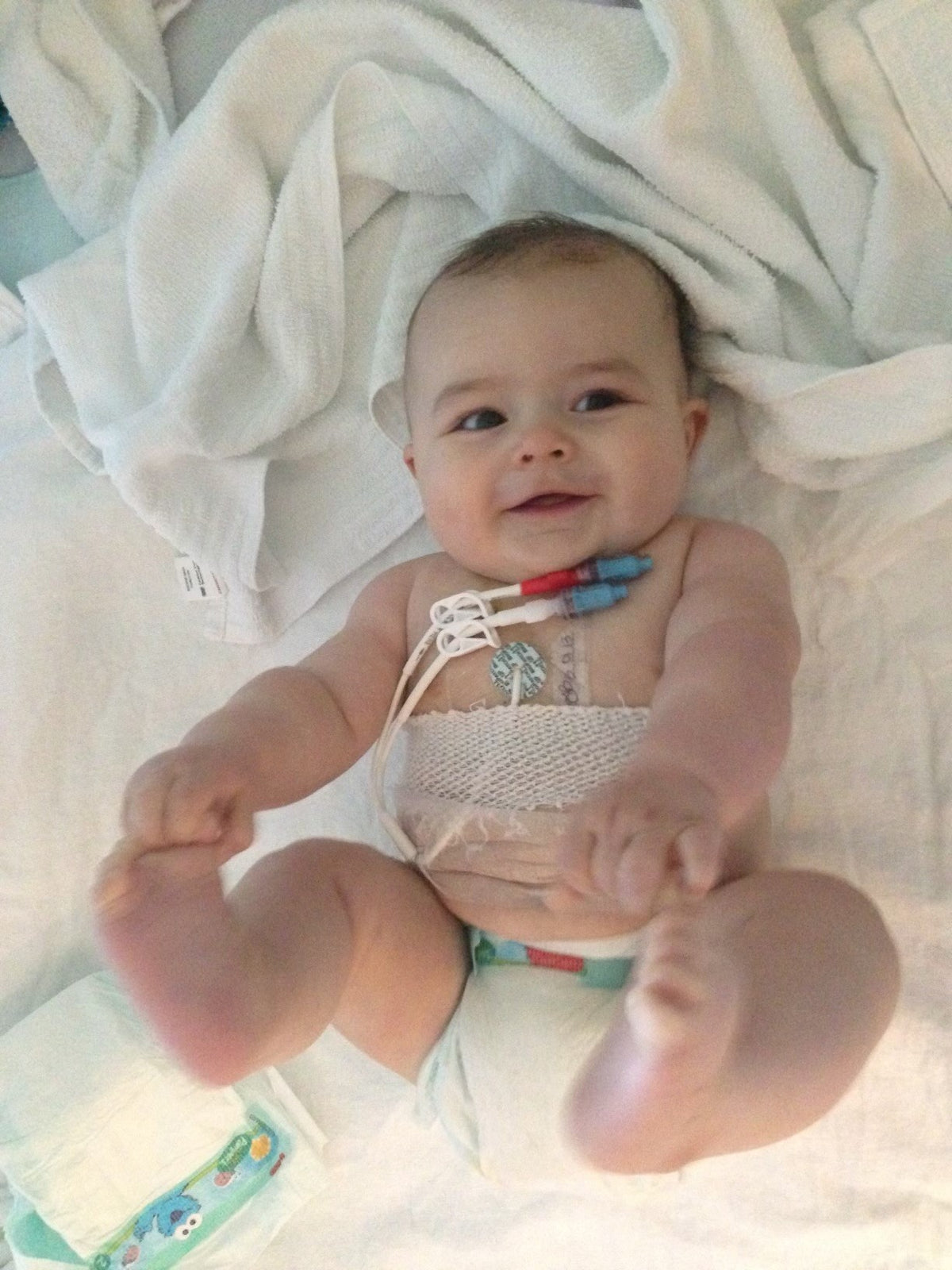
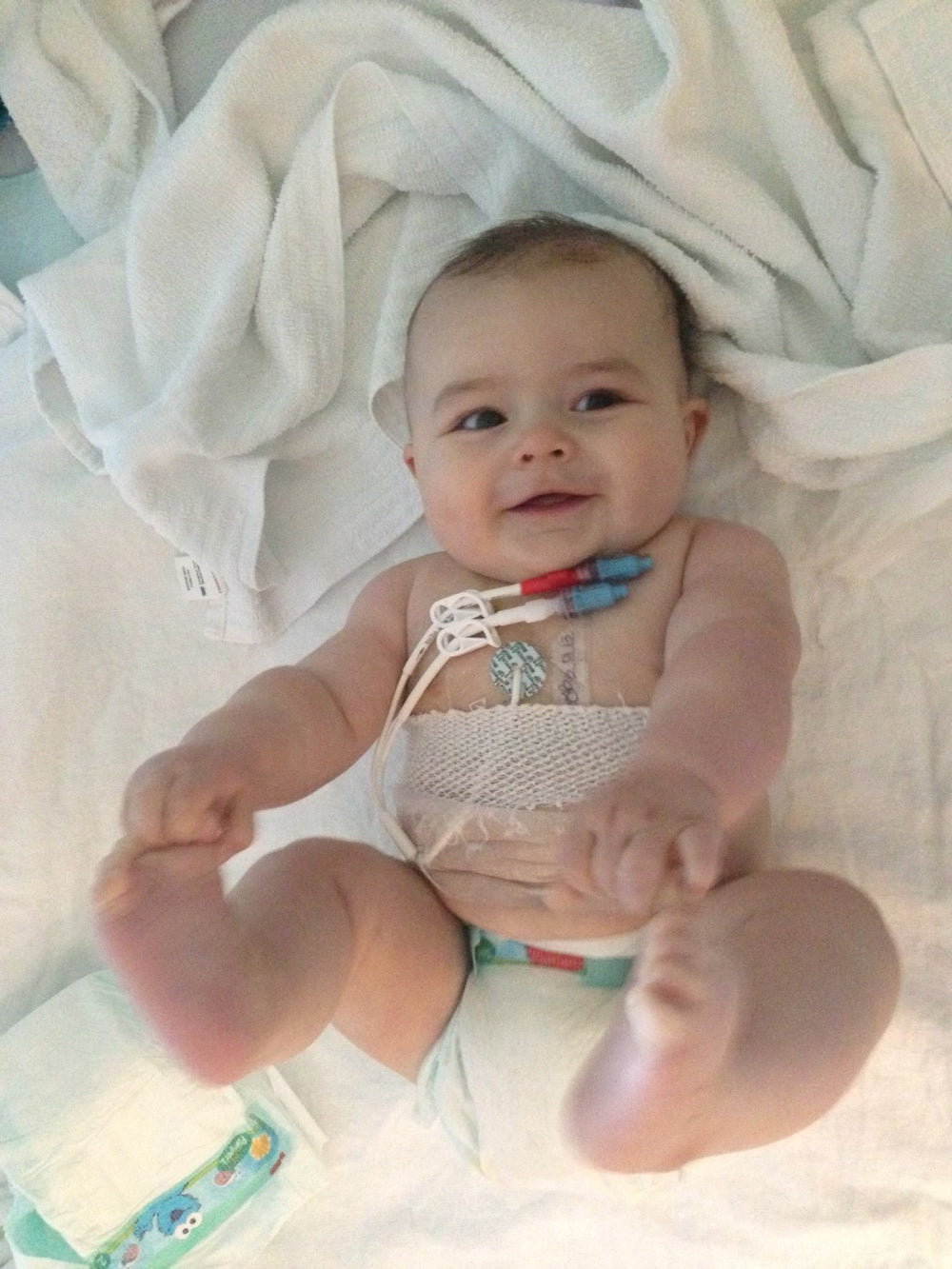
For decades, pediatric cancer care has relied heavily on central access devices like chest ports and PICC lines. These remain essential—and they’re exactly why adaptive garments like ZipShirts™ were created: to allow children to stay clothed, comfortable, and dignified during treatment.
Today, that need extends even further.
Children with a wide range of diagnoses—including cancer, Crohn’s disease, Multiple Sclerosis, and other immune and chronic conditions—are increasingly receiving ongoing infusions through PICC lines and other access devices, often in outpatient or home settings.
This growing population is exactly why we developed InfuShirts™—adaptive garments specifically designed for patients receiving infusions, allowing safe, continuous access to PICC lines while enabling children and young adults to remain fully clothed and comfortable throughout treatment.
But beyond any one product, we are seeing a broader evolution.
New therapies are changing not just what treatments are given—but how they are delivered and where care takes place.
These include:
- Increasing use of subcutaneous (and some intramuscular) injections, sometimes administered in areas like the upper thigh—requiring patients to partially undress, which can be uncomfortable and disruptive
- Targeted therapies, some of which are delivered outside traditional central lines
- Wearable or ambulatory infusion pumps for extended or at-home delivery
- Implanted or external devices used for continuous or intermittent dosing
- G-tubes and enteral feeding systems supporting nutrition during treatment
At the same time, more care is happening in outpatient and home settings, and patients are often managing multiple access points simultaneously.
As outpatient care continues to rise, the need for adaptive “streetwear” that functions in real life is paramount—patients are frequently moving between hospitals, clinics, and home, while still trying to maintain a sense of normalcy in their daily lives.
Each advancement brings meaningful clinical benefits—but also introduces new and varied access points on the body, often in places not previously considered in garment design.
The Rise of New Access Points: Why It Matters
Historically, adaptive apparel has focused on the chest (for ports) or arms (for IV/PICC access). Today, with the rise of infusion-based care across multiple diagnoses, that need is expanding—and becoming more continuous in nature.
Garments like InfuShirts™ reflect this shift, supporting patients who are connected to infusions for extended periods of time, often outside of the hospital.
At the same time, newer delivery methods are expanding access to areas such as:
- Upper thighs and hips (for injections or wearable devices)
- Abdomen (G-tubes, insulin pumps, infusion sites)
- Lower back or flank areas (emerging device placements)
- Multi-site access needs in complex cases
For pediatric patients, this creates real challenges:
- Clothing must be easily opened in precise locations
- Devices must be protected from dislodgement
- Skin must be accessible without full undressing
- Children must still be able to move, play, and develop normally
Without adaptive solutions, the default becomes hospital gowns—or repeated clothing removal.
And that comes at a cost.
Beyond Function: Protecting Dignity and Development
At Zip With Us®, we’ve seen firsthand that adaptive clothing is not just about convenience—it’s about preserving childhood and supporting natural development.
Whether a child is receiving chemotherapy, biologic infusions for Crohn’s disease, treatment for autoimmune disorders, or other long-term therapies, the need is the same: to remain clothed, comfortable, and in control during care.
Across more than 165 pediatric hospitals, our internal survey data shows that while wearing their Zip With Us® adaptive garment:
- 100% of patients were able to remain clothed, comfortable, and experienced reduced anxiety during treatment
- 98% reported their garment was an essential part of their care experience
- 98% wore their garment to all treatments, with the remaining 2% only missing use when their garment was in the wash
Why does this matter?
Because children in treatment are not just patients—they are:
- Toddlers learning to walk
- Kids building independence
- Teens navigating identity and privacy
When clothing doesn’t accommodate treatment, children are forced to adapt their behavior around their illness.
When clothing does accommodate treatment, children can continue being children.
A New Design Challenge: Adaptive Apparel for the Next Generation of Care
As drug delivery evolves, so must adaptive garment design.
From ZipShirts™ to InfuShirts™, we are seeing firsthand how different treatment modalities require different solutions—but all share a common goal: access without disruption.
We are entering a new era that calls for:
1. Multi-Access Garments
Clothing that allows access to multiple body sites simultaneously—chest, arms, abdomen, thighs, and beyond.
2. 360° Accessibility
Zippers, snaps, and closures placed not just in traditional areas, but wherever treatment occurs.
3. Device Protection
Integrated features to:
- Secure wearable pumps
- Protect PICC lines during infusion
- Shield injection sites
- Reduce risk of infection or dislodgement
(As seen with Drew’s Cruisers™, which help keep central lines safely out of reach for infants.)
4. Movement-Friendly Design
Children must be able to:
- Sit, crawl, and walk
- Attend school or clinic comfortably
- Engage in normal developmental activity
5. Real-Life Wearability
Adaptive garments must function as everyday clothing—supporting patients not just in clinical settings, but in the flow of daily life between home, school, and treatment.
6. Sensory-Conscious Materials
Because many pediatric patients experience:
- Skin sensitivity
- Neuropathy
- Sensory processing challenges
Real Innovation Means Seeing the Whole Child
In the clinical setting, a new drug delivery method may be considered successful if it improves efficacy or reduces side effects.
But from a child’s perspective, success looks different.
It looks like:
- Not having to take your shirt off in a room full of people
- Being able to manage an infusion without disrupting daily life
- Walking into treatment feeling prepared—not exposed
- Having clothing that works with your care—not against it
That’s the gap adaptive apparel fills.
And as medicine advances, that gap will only grow unless we intentionally design for it.
Bridging Medicine and Humanity—One Garment at a Time
At Zip With Us®, our mission has always been to bridge the space between clinical care and lived experience—bringing comfort, function, and dignity into every treatment moment.
Now, as new therapies reshape pediatric care—and as infusion-based treatment expands across diagnoses—we are committed to evolving alongside them.
Because every innovation in medicine deserves a parallel innovation in compassion.
And every child—no matter how complex their treatment—deserves to feel:
Safe. Comfortable. Functional. And above all—like themselves.